Portable toilets present a range of eco-friendly advantages that appeal to environmentally conscious consumers. One of the key benefits is water conservation: traditional toilets can use several gallons of water per flush, whereas portable toilets utilize significantly less, sometimes saving thousands of gallons over their lifecycle. This efficient use of water directly contributes to resource conservation, making them an excellent choice in areas experiencing droughts or water shortages.
Furthermore, portable toilets often operate using chemicals that break down waste, reducing the potential for ground and water contamination. These specially designed sanitation units are crafted to contain waste securely, safeguarding surrounding ecosystems and minimizing environmental impact. In addition, the waste collected is typically treated at a processing plant, ensuring proper disposal and treatment away from natural habitats and water sources.
From a broader environmental perspective, portable toilets support sustainable event and construction management by providing hygienic solutions without the need for permanent facilities. This reduces the carbon footprint associated with building traditional restrooms, accounting for lesser resource utilization and site disruption.
For outdoor events and remote locations, portable toilets underscore the principle of 'leave no trace', maintaining cleanliness and natural beauty by preventing human waste from being left in nature.
Opting for portable toilets also leads to reduced energy consumption. Many units are made with recyclable materials that lower manufacturing impacts, and services like collection and maintenance are often carefully routinized to minimize energy expenditure.
Overall, portable toilets extend significant eco-friendly benefits, aligning with sustainable practices and championing reduced environmental impacts. Whether for events, construction sites, or public spaces, they offer a thoughtful and responsible sanitation option.
Choosing portable toilets underscores a commitment to sustainability, providing a service that respects both human needs and environmental health.

Portable Toilet Rentals in Highland Beach, Florida
Call today for a free quote (772) 280-9299
Portable Toilet
Fast, Easy, & 100% Free To Get Started
Over 20 Years Experience
For more than 20 years, our company has proudly served the Highland Beach community with reliable portable toilet services. We are dedicated to prioritizing customer satisfaction and consistently delivering quality.
Unmatched Quality Service
Our commitment to quality means you can rely on us for the cleanest and most well-maintained portable toilets in Highland Beach, ensuring a pleasant experience for all users.
Swift Delivery Guarantee
We deliver portable toilets swiftly, aligning with your schedule to keep your event or project moving smoothly without delays or inconvenience.
Convenient Portable Toilets in Highland Beach
Call for a Free Quote Today
(772) 280-9299
Experience the unparalleled service of our Portable Toilet rentals in Highland Beach and surrounding areas. As a locally owned company, we prioritize reliability and exceptional customer service to ensure your events, construction sites, festivals, and weddings are equipped with clean and dependable restroom solutions. Our units are designed to meet diverse needs and settings, providing a hygienic and comfortable experience for guests and workers alike.
Standard Portable Toilet
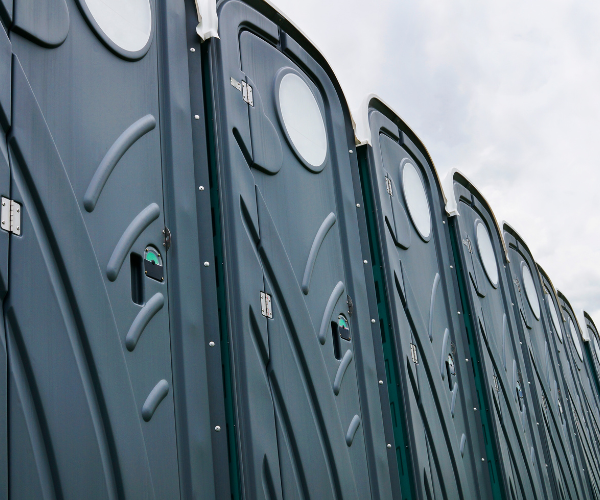
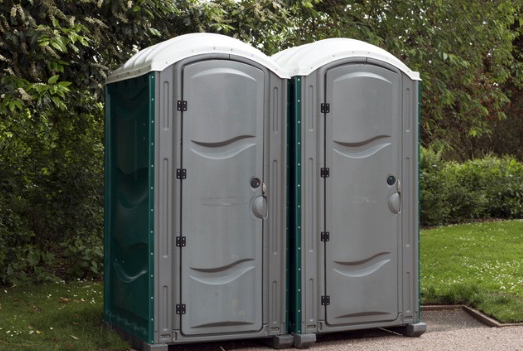
Our standard porta john rental units are durable and reliable for any commercial build site, housing development, public works project, or remodel job.
Features include dome lighting, grated floors, and an “In-Use” locking mechanism for privacy and comfort.
Regularly maintained, inspected, and cleaned by FusionSite at your location.
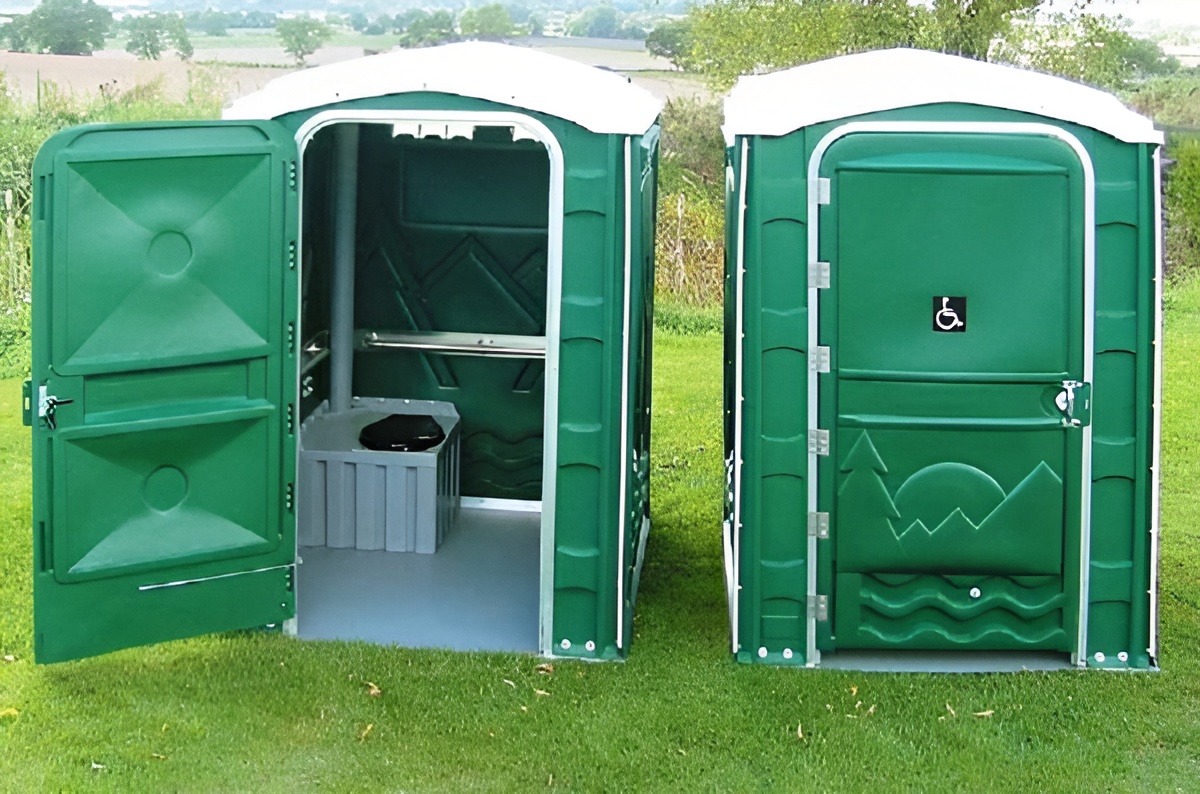
Wheelchair Accessible Restrooms
Developed as an alternative to full ADA-compliant restrooms, the Liberty is a spacious, wheelchair-accessible unit that can also be promoted as a family-sized restroom.
Includes a patented flat-floor system for easy wheelchair access and maneuverability.
Handrails, paper holder, and rotary latch are designed for simple, intuitive end-user operation.
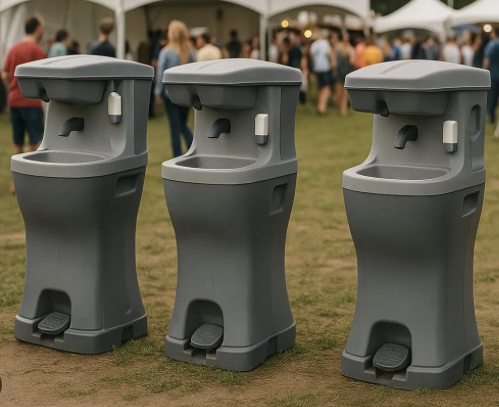
Portable Sink
Portable hand washing stations are essential for keeping your work site sanitary and clean.
Features hands-free foot pumps, liquid soap, and paper towels.
Perfect for job sites without water hookups, these units can handle hundreds of washes between services.
We Proudly Serve
Standard Portable Toilets
Standard Portable Toilets by Freedom Waste deliver reliable sanitation solutions in Florida.
High Rise Portable Toilets
Our High Rise Portable Toilets offer convenient access to sanitary facilities in Highland Beach.
Restroom Trailers
Freedom Waste Restroom Trailers at Highland Beach provide premium comfort and convenience.
Roll off Dumpsters
Freedom Waste's Roll Off Dumpsters in Highland Beach cater to all your disposal needs efficiently.
Septic Tank Cleaning
Trust Freedom Waste for impeccable Septic Tank Cleaning service in Florida, safeguarding your system's performance.
Grease Trap Cleaning
Effective Grease Trap Cleaning solutions from Freedom Waste in Highland Beach keep your facilities compliant and safe.
Fencing & Barricades
Freedom Waste excels in Fencing & Barricades services across Florida, ensuring security and crowd control.
Residential Storage
Highland Beach's Residential Storage needs are met with Freedom Waste's secure and accessible facilities.
Highland Beach Portable Toilet Services
Arranging for portable toilet rentals has never been more straightforward or convenient. At our company, we provide a seamless quoting and delivery process tailored to meet your unique needs. Simply navigate to our website where you'll find comprehensive forms at the top and bottom of each page. Here, you can effortlessly fill out your contact information to kickstart the quoting process.
Our website features Get A Quote buttons strategically placed for easy access, ensuring you can quickly request a quote at any time. Once your form is submitted, our dedicated staff promptly contacts you to confirm your requirements and offer a detailed quote.
Delivery of your portable toilets is handled with precision and efficiency, ensuring they arrive on time and are ready for use. Whether you're planning a major event, managing a construction site, or hosting a smaller gathering, we prioritize punctuality and reliability to ensure your needs are met without any hitches. Our friendly team will ensure that set-up and pick-up are as convenient as possible, letting you focus on your event rather than logistics.
Experience first-class service and quality products by choosing us for your portable toilet needs in Highland Beach. Let us demonstrate our commitment to providing convenient and dependable solutions tailored just for you.
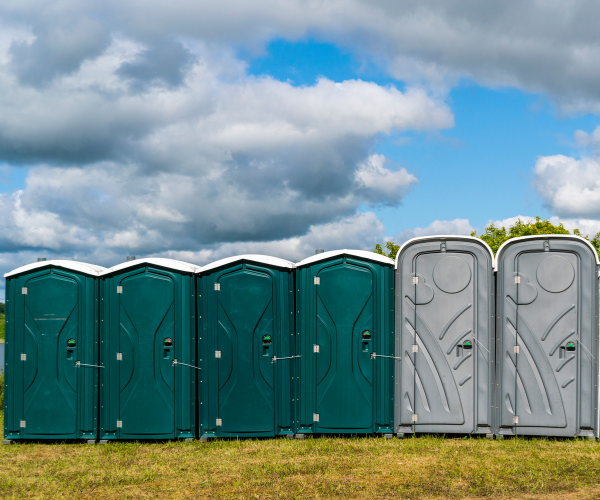
Our portable toilets seamlessly complement Highland Beach's charm, enhancing its stunning outdoor venues and vibrant community events like the annual Highland Beach Turtle Fest. By offering clean and reliable portable restrooms, we elevate each occasion’s enjoyment. Whether you're organizing a community festival, a family reunion, or a corporate event, our services provide a seamless experience for both event organizers and their guests. As a locally owned and operated business, we understand Highland Beach’s distinct needs and deliver convenient and dependable portable toilets tailored to those requirements. Choose us for our immaculate, well-maintained portable toilets, which not only elevate your event experience but also demonstrate our commitment to quality and customer satisfaction. Rest assured, you're receiving superior products and services in Highland Beach, a town proudly linked to landmarks like the famed Intracoastal Waterway.
Excellence in Highland Beach
Our portable toilet services shine as the premier option in Highland Beach, offering a unique blend of quality, convenience, and local expertise.
Leading in Quality
We deliver clean, reliable portable restrooms that cater to the community's specific needs and preferences. Whether for an event or a construction site, enjoy our dedicated service and top-tier equipment.
Customer-Centered Approach
Join the many satisfied customers who appreciate our prompt, professional service. Entrust us with your portable toilet rentals and discover why we are the favored choice in Highland Beach.
Reliable Services
Our company takes pride in providing fast, reliable portable toilet services designed to meet the dynamic needs of our Highland Beach clientele. Our commitment to quick response times and efficient delivery ensures your event or project runs smoothly.
Timely Deliveries
Expect on-time delivery, always. We understand the importance of timing in event planning and construction, so we prioritize punctuality to guarantee your portable toilets are set up and ready when needed.
Customer Satisfaction
Let us handle the logistics while you enjoy peace of mind knowing your portable toilet needs are in the hands of experienced professionals who put quality and satisfaction first.
Learn More About Our Portable Toilets in Highland Beach
Renting a portable toilet in Highland Beach is a straightforward and hassle-free process with our comprehensive online system. To initiate your rental, simply visit our website where you'll find user-friendly forms located at both the top and bottom of our homepage. These forms are designed to gather essential information, requiring you to input details such as your first name, last name, phone number, and email.
In addition to these forms, strategically placed Get A Quote buttons are available throughout our website. Clicking on any of these buttons will direct you to a simplified request page where you can submit your information quickly and efficiently.
Once your request is processed, our attentive team will reach out to you to discuss your specific needs, answer any questions you may have, and provide a detailed quote tailored to your event or project.
We pride ourselves on delivering a responsive and personalized experience, ensuring that your selection of portable toilets is not only suitable for your needs but also delivered and installed on schedule.
Our seamless rental process reflects our commitment to customer satisfaction, offering a blend of cutting-edge online convenience with personal service. With us overseeing the logistics, you can concentrate on your event or worksite knowing that sanitary needs are thoroughly managed. Experience worry-free portable toilet rental in Highland Beach with our reliable, customer-centric approach.
The delivery timeframe for portable toilet orders can vary based on several factors, but we strive to maintain a prompt and reliable service schedule to meet our clients' needs. Typically, we recommend placing your order well in advance of your event or project date to ensure timely delivery and setup, particularly during peak seasons when demand surges.
Once your order is confirmed, our experienced logistics team works meticulously to plot the most efficient delivery route, accounting for any regional traffic patterns or potential delays. This proactive approach helps us guarantee that our portable toilets arrive on site precisely when required, minimizing any disturbance to your schedule.
We offer flexibility in delivery times, accommodating specific requests when possible, so you receive your units exactly when and where they are needed. Our dedicated staff is committed to maintaining open lines of communication throughout the process, keeping you informed of your order's status.
However, depending on location and logistical considerations, some deliveries might require additional time for transport. Our team will always provide transparent estimates and maintain flexibility to adapt to unforeseen circumstances.
Upon delivery, our trained attendants handle the complete setup with precision, ensuring all units are operational and adhere to the highest standards of hygiene and functionality.
By selecting our services, you benefit from a timely and efficient delivery experience, characterized by professionalism and a steadfast focus on customer satisfaction and convenience.
Yes, we cater to all types of events and construction projects, confidently offering portable sanitation solutions tailored to diverse needs and settings. Our broad product lineup includes luxury restroom trailers, standard porta potties, roll-off dumpsters, fencing, barricades, holding tanks, ADA-compliant units, portable sinks, and hand sanitizing stations.
Whether you're organizing a sprawling festival, managing a bustling construction site, hosting a memorable wedding, or holding a corporate event, our team is equipped to ensure top-notch sanitation provisions. Our expertise covers everything from large-scale public events to intimate family reunions, always focusing on quality and reliability.
Our luxury restroom trailers add a touch of elegance to upscale occasions, featuring traditional bathroom comforts with added conveniences and aesthetic appeal. Meanwhile, our durable porta potties provide practical, cost-effective solutions for construction sites needing reliable, no-frills facilities.
Each unit is meticulously serviced and maintained to uphold optimal hygiene standards and ensure user comfort, enhancing the guest experience.
Our seasoned professionals work closely with event planners and site managers to identify specific needs, recommending the most suitable options to improve safety, accessibility, and practicality.
Partner with us to experience the convenience of portable restrooms seamlessly integrated into your event or project, reinforcing our commitment to excellence and flexibility in the sanitation industry.