Portable toilets offer significant eco-friendly advantages, making them a sustainable choice for various needs. One of the most notable benefits is their water efficiency. Traditional flush toilets can use between 3 to 5 gallons of water per flush, whereas portable toilets require minimal water, conserving this precious resource. This is particularly important in areas prone to drought or where water conservation is a priority.
Additionally, portable toilets reduce the environmental impact of waste disposal. By containing and treating waste on-site, these units help prevent contamination of groundwater and surrounding natural areas. This is crucial for maintaining local ecosystems and ensuring the health of nearby water sources.
Another eco-friendly facet of portable toilets is their ability to minimize the carbon footprint associated with traditional restroom facilities. They require less infrastructure and energy for installation and operation, significantly reducing greenhouse gas emissions.
Moreover, many modern portable toilets are constructed from recycled and eco-friendly materials. This not only cuts down on waste during production but also promotes recycling efforts once the unit has reached the end of its lifecycle.
Portable toilets also encourage proper waste management, offering sealed environments that limit exposure and transmission of pathogens. This is crucial in preserving community health and well-being, especially in densely populated or sensitive areas.
Finally, the mobility of portable toilets supports environmental preservation by providing sanitation options without requiring permanent construction. This means less land disturbance and a smaller environmental footprint, making them ideal for outdoor events and temporary worksites.
In conclusion, portable toilets are a practical and sustainable option that addresses both sanitation needs and environmental concerns, making them a responsible choice for both small-scale and large-scale applications.
Portable Toilet Rentals in Weston, Florida
Call today for a free quote (772) 280-9299
Portable Toilet
Fast, Easy, & 100% Free To Get Started
Over 10 Years of Dedication
For more than ten years, Freedom Waste has provided Weston with outstanding portable toilet solutions, firmly anchored in community values and unwavering quality service commitment. Our dedication to customer satisfaction and lasting local presence has earned us the trust of the community in sanitation services.
Unmatched Quality Service
At Freedom Waste, quality service isn't merely a promise—it's a guarantee. We prioritize superior sanitation and reliability, providing a clean, hassle-free experience each time, which makes us the preferred choice for portable toilet rentals in Weston.
Fast and Efficient Delivery
Timely delivery is our priority, enabling customers to receive their portable toilets right when they need them. We understand the importance of promptness and work tirelessly to ensure your event or project runs smoothly.
Reliable Portable Toilet in Weston
Call for a Free Quote Today
(772) 280-9299
Located in Weston, Freedom Waste is your dependable partner for portable toilet rentals, proudly serving the community with local ownership and a commitment to reliability. Whether hosting a family reunion, planning a lively wedding, or managing construction projects, our portable toilet units provide exceptional cleanliness and convenience. We cater to Weston and neighboring areas, ensuring prompt and professional service for any event requirement. Our customer's satisfaction is our top priority, reflecting our dedication to offering a seamless rental experience. Choose us for festivals, corporate events, weddings, and construction sites—experience peace of mind and dependability with every unit.
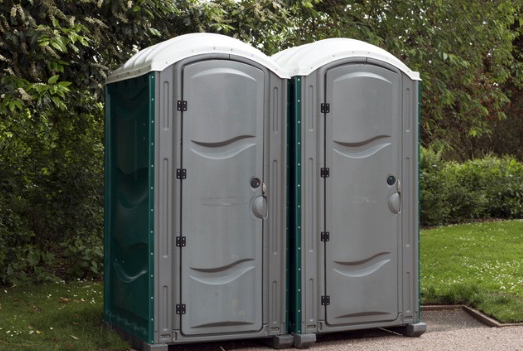
Standard Portable Toilet
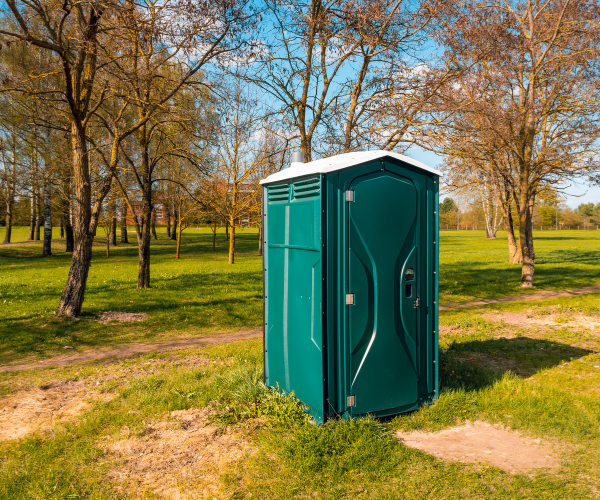
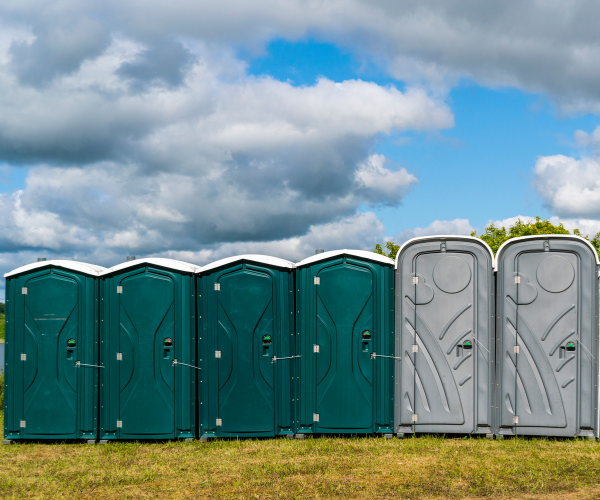
Our standard porta john rental units are durable and reliable for any commercial build site, housing development, public works project, or remodel job.
Features include dome lighting, grated floors, and an “In-Use” locking mechanism for privacy and comfort.
Regularly maintained, inspected, and cleaned by FusionSite at your location.
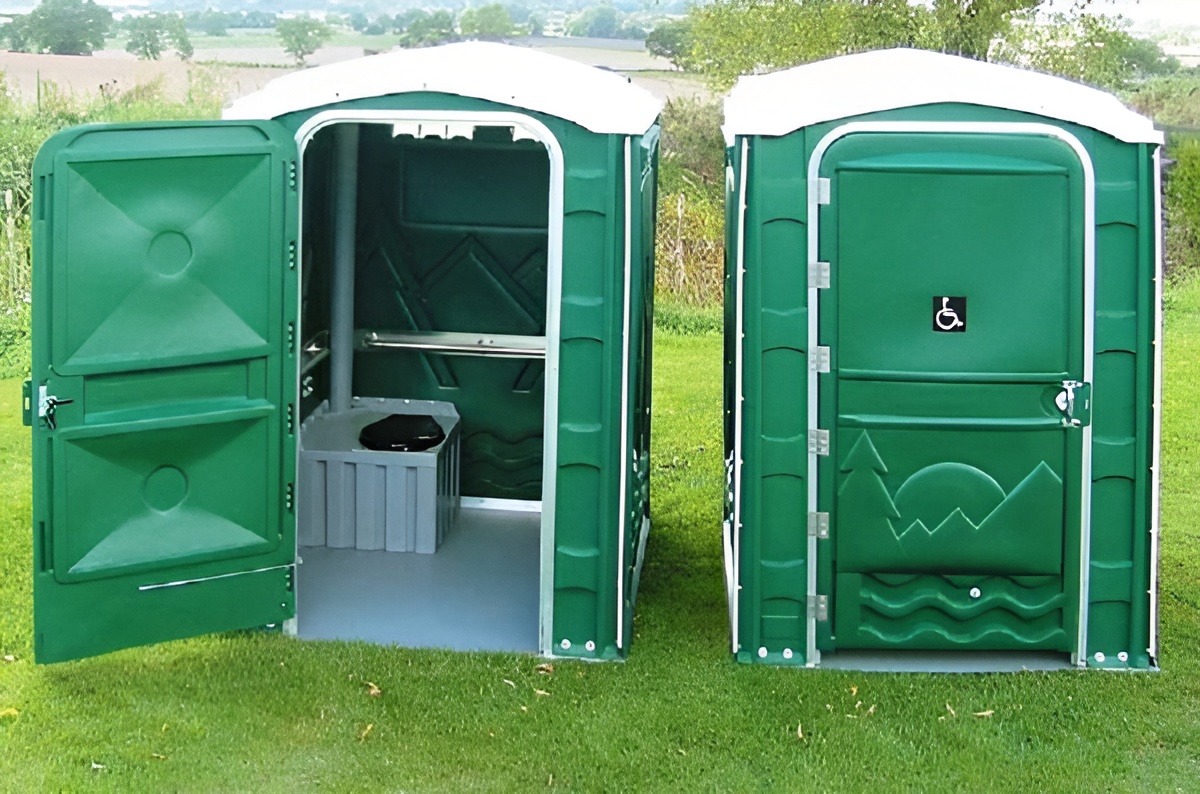
Wheelchair Accessible Restrooms
Developed as an alternative to full ADA-compliant restrooms, the Liberty is a spacious, wheelchair-accessible unit that can also be promoted as a family-sized restroom.
Includes a patented flat-floor system for easy wheelchair access and maneuverability.
Handrails, paper holder, and rotary latch are designed for simple, intuitive end-user operation.
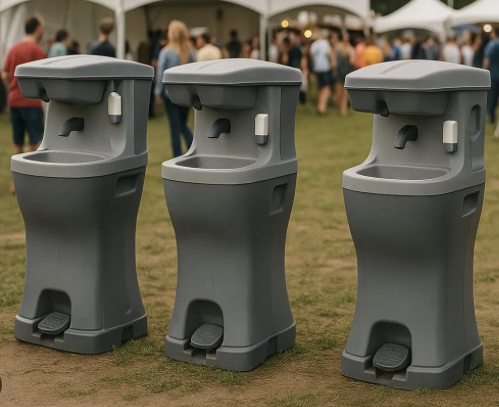
Portable Sink
Portable hand washing stations are essential for keeping your work site sanitary and clean.
Features hands-free foot pumps, liquid soap, and paper towels.
Perfect for job sites without water hookups, these units can handle hundreds of washes between services.
We Proudly Serve
Standard Portable Toilets
Our standard portable toilets offer dependable service for various events throughout Florida, courtesy of Freedom Waste.
High Rise Portable Toilets
High-rise portable toilets bring convenience to Weston's elevated constructions, ensuring accessibility at every level.
Restroom Trailers
Freedom Waste's restroom trailers in Weston deliver luxury and comfort, perfect for outdoor events and special occasions.
Roll off Dumpsters
Roll off dumpsters by Freedom Waste in Weston keep your construction sites tidy and efficient, offering reliable waste solutions.
Septic Tank Cleaning
Septic tank cleaning from Freedom Waste ensures quality maintenance and sanitation for homeowners across Florida.
Grease Trap Cleaning
In Weston, our grease trap cleaning service prevents blockages, maintaining the smooth operation of your business.
Fencing & Barricades
Freedom Waste provides secure fencing and barricades, ensuring safe environments for Florida's community events.
Residential Storage
Residential storage solutions in Weston by Freedom Waste offer secure spaces for all your personal belongings in Florida.
Weston Portable Sanitation Solutions
Requesting a quote and arranging delivery for our portable toilet rentals is simple and efficient. Just a few clicks on our website or a quick call are all it takes to receive your prompt quote. Our friendly staff is committed to providing a seamless service experience from start to finish. Save time with our streamlined process, focusing on convenience and customer satisfaction. We deliver cutting-edge portable toilets directly to your location, ensuring essential sanitation solutions without unnecessary complications. Enjoy the convenience of securing clean, dependable units tailored for any event or construction project. Opt for hassle-free delivery and setup, making Freedom Waste your trusted partner for portable sanitation needs in Weston.
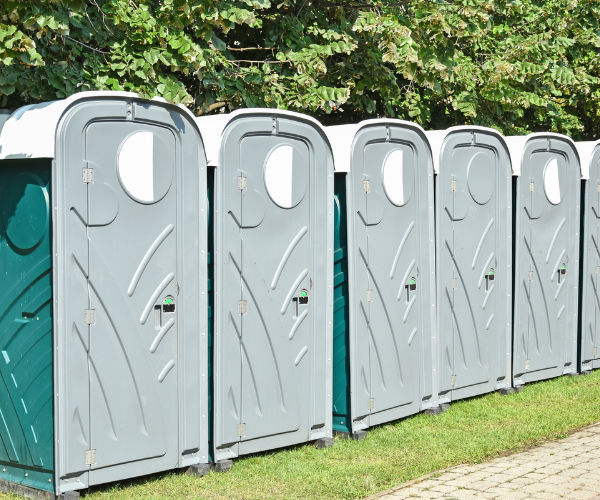
Experience Weston's local charm with our portable toilets, keeping your events clean and enjoyable. Whether you're exploring the welcoming expanses of Markham Park or hosting community events at the Weston Town Center, our units fit perfectly into Weston's vibrant lifestyle. Our reliable solutions make your gatherings worry-free, offering quality and convenience. Our portable toilets are ideal for all events, from festivals like the Weston Foreign Film Series to intimate weddings, supporting Weston's lively community scene. The nearby natural attractions, coupled with our dependable sanitation, create memorable experiences. Trust in our consistent service, tailored to Weston's unique demands, ensuring your needs are met with precision. Enhance your attendees' comfort with our spotless and fully-equipped portable toilets. Choose us for unmatched reliability and cleanliness that Weston residents expect. Partner with us to elevate your event's sanitation standards, leaving a positive impression on your guests.
As the premier option for portable toilet rentals in Weston, we differentiate ourselves through exceptional service, reliability, and competitive pricing. Our dedication to the Weston community shines in every unit we deliver.
We offer a hassle-free rental experience, from effortless booking to timely delivery, demonstrating our commitment to customer satisfaction. Choose us for unparalleled dedication to quality, enhancing Weston's unique events and initiatives.
Freedom Waste is more than a supplier; we are a partner committed to the success of your event. Our versatile and meticulously maintained porta potties ensure every occasion is comfortable and enjoyable for all attendees.
Freedom Waste is dedicated to delivering fast, reliable services for your portable toilet needs in Weston. We ensure timely deliveries, so your units arrive precisely when required.
Our efficient process prioritizes meeting deadlines while maintaining quality, establishing us as Weston’s most dependable sanitation service provider.
Our clients experience peace of mind, assured by our prompt support for their projects and events. With consistently high standards, our portable toilets meet Weston's demands with remarkable efficiency and commitment.
Discover Weston's Portable Toilets
Renting a portable toilet in Weston is a straightforward process designed for your convenience. Begin by visiting our website, where you'll find Get A Quote buttons strategically placed throughout the pages. These buttons lead you directly to our quote form, simplifying the initial steps.
Our user-friendly form requires essential details such as your first name, last name, phone number, and email. Completing this information ensures that our team can promptly reach out to you with a tailored quote and further assistance. Whether you are planning a single day event or require a long-term rental, this process accommodates all timeframes and needs.
For added convenience, identical forms are located at both the top and bottom of the page. This design is intended to make access easier no matter where you land on our site. Don't hesitate to call our dedicated customer service team if you prefer direct assistance. They're always ready to walk you through every step, answer questions, and provide personalized recommendations.
Committed to transparency, our team ensures you receive a competitive quote swiftly, aligned with your specific requirements. With Freedom Waste, you're not only choosing excellent service but also benefiting from a streamlined experience from start to finish. Let us provide the sanitation solution that matches your events or projects—the process is as simple as it is efficient.
Engage with us today to explore your options and secure the best portable toilet solution in Weston. Your satisfaction is our priority, and we strive to ensure every aspect of your rental experience is positive and rewarding.
The typical delivery timeframe for portable toilet orders with Freedom Waste is designed to be both quick and accommodating, meeting the diverse needs of our clients. Once you've placed an order, you can expect a turnaround time that ranges from 24 to 48 hours.
In many instances, particularly for urgent requirements, we often manage to expedite the process further, providing same-day delivery when possible. Our commitment is to ensure our portable toilets are readily available just when our clients need them, enhancing the overall convenience and satisfaction of our service.
Our delivery process is streamlined to guarantee efficiency. We coordinate closely with our logistics partners to map out the best routes and schedules, minimizing any potential delays. This meticulous coordination reflects our dedication to reliability, ensuring that you receive your portable toilet units promptly, regardless of the time of year.
For larger events or projects that require additional planning, we advise our clients to book well in advance. This proactive approach allows us to manage scale requirements effectively while still maintaining our promise of timely service. Additionally, pre-booking ensures that our clients secure the necessary units during peak seasons when demand surges.
At Freedom Waste, we pride ourselves on our flexibility and willingness to go the extra mile. If circumstances change or you suddenly need additional units, our team is always prepared to adjust plans according to your updated requirements. This adaptability is part of what makes us a preferred choice for portable toilet solutions.
Ultimately, every aspect of our delivery timeline is tailored to support your logistics, ensuring a seamless integration into your event or project setup. Through persistence and proactive coordination, we keep to our promises of timely service, every time.
Yes, we can service any type of event or construction site. Our versatile range of products is designed to cater to diverse needs, making us an ideal partner for a wide variety of occasions. We provide services for festivals, sporting events, weddings, corporate events, and family reunions, ensuring that every gathering runs smoothly.
Our luxurious restroom trailers deliver comfort and convenience for special occasions, while our standard porta potties meet the robust requirements of construction sites. We offer roll-off dumpsters and portable sinks and sanitizer stations, providing clean environments for all participants. Whatever the scale or scope of your requirements, we offer customizable solutions that match your unique event needs.
We prioritize customer satisfaction and ensure that our services align with the highest standards of cleanliness and efficiency. Our experienced team helps you select the right mix of units and support features, ensuring comprehensive coverage for all attendees. In addition, our ADA units offer accessibility, making sure that everyone benefits from our services, regardless of mobility challenges.
In addition to these, our holding tanks offer extended waste storage solutions for long-term projects, while our barricade fences keep event areas secure and orderly. These features make our package offerings comprehensive, allowing you to focus on hosting impeccable functions without concerns about sanitation.
Partner with us to handle all your event or construction sanitation needs. We are committed to elevating the sanitary standards of gatherings and worksites across the region. With Freedom Waste, expect reliable, top-quality service tailored specifically to your needs, managing even the most demanding arrangements with expertise and care.