Portable toilets present several significant eco-friendly advantages that make them a preferred choice for both organizers of outdoor events and construction sites. Firstly, they help conserve water, as modern portable toilets use either chemical decomposers or composting systems rather than large amounts of water for waste disposal. This reduction in water usage is beneficial in areas where water conservation is a priority. Moreover, the best portable toilets are designed to prevent contamination of local water supplies, ensuring that natural resources remain unaffected by human waste.
Another advantage lies in the efficient waste management systems that portable toilets incorporate. Many units are built with enclosed tanks to securely store biological waste until it can be appropriately processed and treated at waste management facilities. This system is entirely self-contained, significantly reducing the risk of environmental contamination when moving or managing waste.
Additionally, modern portable toilets often utilize eco-friendly chemicals that breakdown waste efficiently while minimizing environmental impact. These chemicals are designed to control odor and accelerate the decomposition process without damaging surrounding ecosystems.
Transportation and setup of portable toilets also support sustainability. By strategically placing them closer to event locations or worksites, there is a decrease in vehicle emissions compared to permanent structures that may require more frequent access by service vehicles.
Many companies now offer biodegradable and recyclable materials in their porta-potty construction, reducing the overall carbon footprint and enhancing eco-friendliness. Lastly, the use of green products for cleaning and sanitizing after use further aligns this service with environmental protection goals. Thus, choosing portable toilets is not only practical for users but also beneficial for the planet.

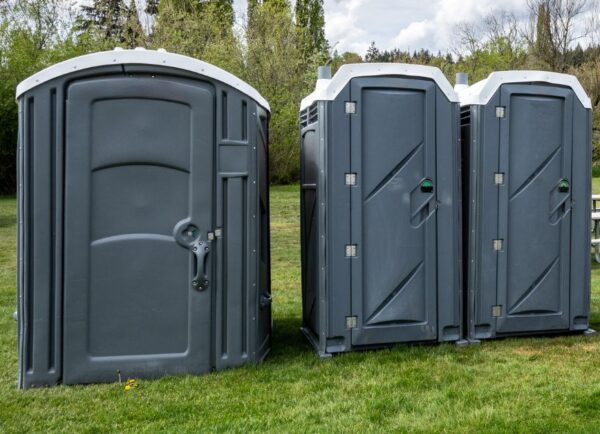
Portable Toilet Rentals in Biscayne Gardens, Florida
Call today for a free quote (772) 280-9299
Portable Toilet
Fast, Easy, & 100% Free To Get Started
Over 10 Years of Expertise
For more than ten years, Freedom Waste has stood as a trusted name in portable toilet services. Deeply rooted in the Biscayne Gardens community, we are recognized for our unwavering dedication to quality and customer satisfaction. Our rich history offers you the seasoned expertise required for exceptional service.
Unmatched Quality Service
At Freedom Waste, our signature is exceptional service. We uphold rigorous cleanliness and durability standards for every portable toilet and restroom trailer. Having served Biscayne Gardens over the years, we've earned a reputation for excellence that our customers continually rely on.
Fast and Reliable Delivery
Our quick delivery service ensures that your portable toilet needs are met promptly, eliminating any waiting period. With Freedom Waste, you can count on receiving your sanitation solutions efficiently and on time, making us your go-to provider in Biscayne Gardens.
Reliable Portable Toilet Services in Biscayne Gardens
Call for a Free Quote Today
(772) 280-9299
When it comes to providing essential sanitary solutions, Freedom Waste in Biscayne Gardens stands out with its commitment to quality and customer satisfaction. As a locally owned and operated company, we pride ourselves on our reliability and expertise in offering portable toilet services tailored to the needs of construction sites, parties, festivals, and weddings. Serving not only Biscayne Gardens but also the surrounding areas, we ensure that our facilities meet the highest standards of cleanliness and functionality. Our team is dedicated to delivering dependable service, ensuring that each event or worksite is equipped with the necessary facilities. Choose Freedom Waste for a hassle-free experience with portable toilet rentals, because sanitation is our top priority. Experience the difference of working with a trusted community-focused business in Biscayne Gardens, Florida.

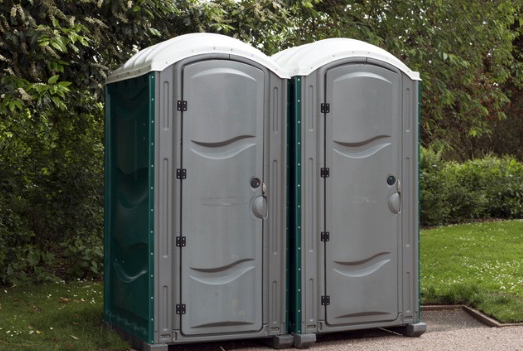
Standard Portable Toilet
Our standard porta john rental units are durable and reliable for any commercial build site, housing development, public works project, or remodel job.
Features include dome lighting, grated floors, and an “In-Use” locking mechanism for privacy and comfort.
Regularly maintained, inspected, and cleaned by FusionSite at your location.
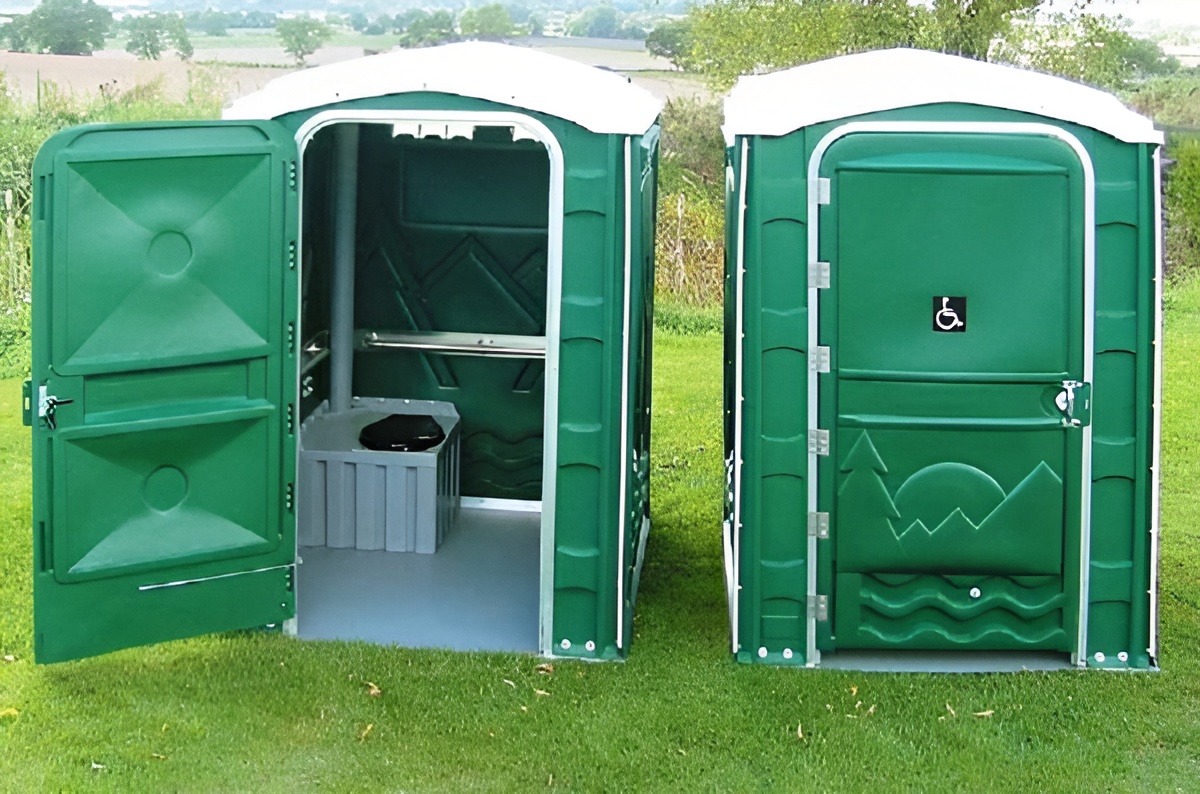
Wheelchair Accessible Restrooms
Developed as an alternative to full ADA-compliant restrooms, the Liberty is a spacious, wheelchair-accessible unit that can also be promoted as a family-sized restroom.
Includes a patented flat-floor system for easy wheelchair access and maneuverability.
Handrails, paper holder, and rotary latch are designed for simple, intuitive end-user operation.
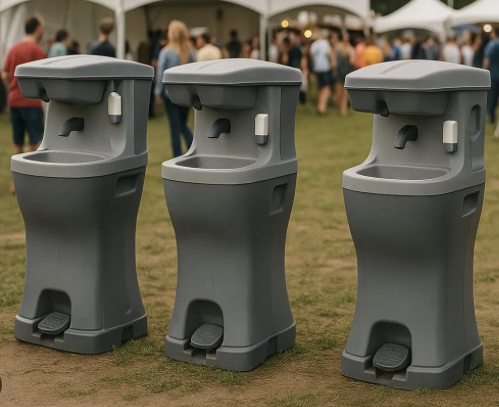
Portable Sink
Portable hand washing stations are essential for keeping your work site sanitary and clean.
Features hands-free foot pumps, liquid soap, and paper towels.
Perfect for job sites without water hookups, these units can handle hundreds of washes between services.
We Proudly Serve
Standard Portable Toilets
Our Standard Portable Toilets offer basic yet efficient sanitation solutions for events and construction projects across Biscayne Gardens.
High Rise Portable Toilets
High Rise Portable Toilets provide convenient accessibility for heights, tailored for construction sites in Biscayne Gardens, Florida.
Restroom Trailers
Our luxurious Restroom Trailers bring elegance and comfort to any occasion in Biscayne Gardens courtesy of Freedom Waste.
Roll off Dumpsters
Efficient waste management is easy with our Roll Off Dumpsters, serving all cleanup needs in Biscayne Gardens at Freedom Waste.
Septic Tank Cleaning
Comprehensive Septic Tank Cleaning ensures optimal performance for residential and commercial systems, available throughout Florida with Freedom Waste.
Grease Trap Cleaning
Effective in keeping systems healthy, our Grease Trap Cleaning in Biscayne Gardens ensures environmental safety and compliance with local regulations.
Fencing & Barricades
Reliable Fencing & Barricades services enhance safety and organization for events and sites at Freedom Waste, Florida.
Residential Storage
Our Residential Storage solutions in Biscayne Gardens provide secure options for temporary excess belongings, offering convenience and peace of mind.
Biscayne Gardens Portable Toilet Services
Requesting a quote and scheduling a delivery for a portable toilet in Biscayne Gardens has never been easier. Our streamlined process allows you to fill out a simple online form, requiring just basic details like your name, phone number, email, and specific needs. With a dedicated team ready to assist, each inquiry is handled with prompt attention, ensuring you receive an accurate quote tailored to your requirements. Our service flexibility means we can cater to both small and large-scale events seamlessly. Once your quote is received, our scheduling system ensures timely delivery and setup, making sure your site is equipped with clean, reliable facilities precisely when needed. Trust us for a smooth, convenient experience every step of the way.

Biscayne Gardens offers a unique blend of local charm and outdoor attractions, making it an ideal spot for community events. With nearby landmarks like the historic Oleta River State Park enhancing its appeal, our portable toilet services provide a clean and convenient solution that fits seamlessly into any setting. Whether it's during exciting events such as the annual Miami International Boat Show or local gatherings, guests enjoy comfortable, hygienic restrooms that contribute positively to the overall atmosphere. Our team understands the importance of reliable service, especially during large-scale events. From charming neighborhood festivals to serene outdoor weddings, our units blend into the environment while providing necessary comfort. We are dedicated to ensuring that both event organizers and attendees have a hassle-free experience. By choosing us, you gain access to top-of-the-line portable toilets that are maintained to the highest standards. For any occasion in Biscayne Gardens, we guarantee services that enhance guest experiences and meet all sanitary needs with professionalism.
In the picturesque Biscayne Gardens, Freedom Waste is the go-to choice for portable toilet rentals, offering unmatched reliability and cleanliness. Our services cater to the community's unique needs, blending seamlessly with local charm.
Our expertise ensures top-quality sanitation solutions for every event, from intimate gatherings to large community festivals. We combine local knowledge with excellent customer service, making us a staple in the area for sanitary needs.
Choosing our company means prioritizing cleanliness and reliability. We provide advanced solutions that fit perfectly into any setting, reinforcing our position as the trusted name in Biscayne Gardens.
Freedom Waste is renowned for its fast and dependable portable toilet services throughout Biscayne Gardens. Our efficient team ensures quick responses to customer needs, striving for excellence in every delivery.
With high-speed scheduling, your portable toilets arrive precisely when needed, ensuring events and worksites remain unhindered by delays. Combine this with our commitment to reliability, and it's clear why we are a trusted choice.
Our dedication to punctuality and excellent service culminates in a seamless customer experience, ensuring your needs are always met on time with quality assurance at the forefront.
Discover Our Portable Toilets in Biscayne Gardens
Renting a portable toilet in Biscayne Gardens is a straightforward process with multiple convenient options available. Our website features forms accessible at both the top and bottom of every page, streamlining the process to request a rental or quote. To begin, interested parties simply fill out their first and last name, phone number, and email address in the designated sections. Additionally, prominently displayed "Get A Quote" buttons throughout the site guide users directly to the application process, where they can easily specify their requirements.
Responsive team members are ready to assist potential clients, ensuring they receive all necessary information and accurate quotes to suit various event or project scales. Each submission is handled with professionalism, ensuring expectations are met and orders processed efficiently. The ease of our online interface reflects our dedication to customer satisfaction, guaranteeing a seamless experience from inquiry to completion of service.
Ultimately, our rental process is designed to be user-friendly and efficient, minimizing undue complexity and enhancing customer convenience. Whether needing a single unit or multiple facilities, we commit to delivering exactly what's needed, when it's needed. The quick response time and streamlined procedure reflect our priority on reliability and customer-focused service.
The delivery timeframe for portable toilet orders is designed to be as quick and efficient as possible, accommodating the urgent needs of diverse events and construction projects. Generally, orders can be fulfilled within 24-48 hours following the placement of a request, depending on the complexity of the order and specific requirements outlined. Our team works proactively to assess each customer's needs promptly, facilitating rapid preparation and dispatch of the required number of units.
For particularly large orders or highly specific configurations, the actual delivery time may extend slightly due to the need for more detailed logistical arrangements. However, our commitment to client satisfaction ensures that even in such cases, delays are communicated clearly and minimized where possible.
It's crucial to place service requests or quantum adjustments as early as feasible, as this enables more time for personalized service facilitation. Our advanced scheduling system ensures that units arrive on site, not only swiftly but precisely when needed, preventing any disruptions to the planned schedule.
Our company prides itself on flexibility, adapting to both last-minute arrangements and long-term project timelines. In all cases, we prioritize making the service experience as stress-free and satisfactory as possible through clear communication and reliable logistics.
Enhancing our clients' peace of mind remains a focal objective, validating the trust placed in our portable toilet rental and delivery service.
Absolutely! We pride ourselves on the versatility of our portable toilet services. Whether you are hosting a large-scale festival, a lively sporting event, or a more intimate setting such as a wedding or corporate gathering, we've got you covered. Our services are tailored to meet a wide array of needs, ensuring that every guest or worker experiences the highest level of sanitary comfort.
From luxurious restroom trailers suited for sophisticated events to standard porta potties and ADA-compliant units that cater to diverse audiences, our selection is both wide-ranging and meticulously maintained. For construction sites in particular, we offer sturdy, reliable units—including roll-off dumpsters and holding tanks—that withstand demanding uses and environments.
Additionally, our inventory includes portable sinks and hand sanitizer stations to complement any setup, maintaining high hygiene standards wherever needed. We take pride in providing all-encompassing solutions that facilitate a smooth and hassle-free experience, regardless of the scale or nature of the event.
Customization options are available to ensure the right mix of facilities for your specific event or project specifications. By prioritizing both convenience and cleanliness, we fulfill all sanitary requirements with professionalism and expertise.